
Enwoven Knowledge System
Transform a passion project into a viable business
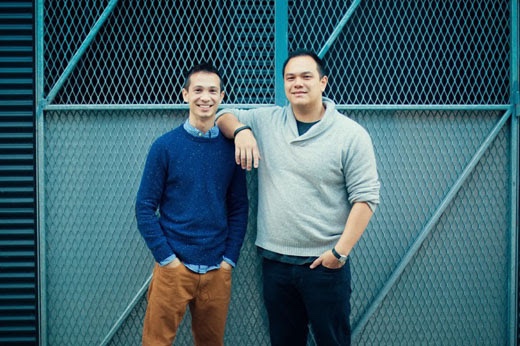
Enwoven is my startup. It began as a prototype in 2014 with my co-founder, Niles. Initially named The History Project, we found ourselves wanting to save life’s precious moments and share more (experience, wisdom) with generations to come. We incubated at Matter, and The New York Times led our seed round. After receiving interest from companies seeking a way to capture institutional knowledge, we refocused on an enterprise platform with support from the Alchemist Accelerator.
Summary
Role: Co-Founder, Chief Product Officer
Product: Enwoven is a collaborative, web-based CMS for documenting and presenting important materials. It combines multimedia assets, adds context to content, and provides visual frameworks: timeline, slideshow, and map.
Target: Innovation, Archives, and Information Governance teams at large organizations (e.g. Avis Budget, Reebok, Airbnb).
Impact: I led the transformation of our product and brand from consumer to enterprise (B2C to B2B), which allowed us to grow to 12 FTE and $1M ARR.
Challenges
In 2017, we were not in the best situation. Feedback was frequently positive; however, a majority of our user base was unpaid, and it was difficult to separate signal from noise due to variance in usage and low volume of data. Only indirect competition existed. Either the needs we aimed to satisfy were not critical, could not be solved in the short-term, or we were really in a Blue Ocean. Also, some folks were still unclear on our identity and value. "The History Project...I think I've heard of that. Are you a non-profit? Are you affiliated with The History Channel?" It was time to sink or swim.
Approach
1) Up-level the product.
Discover / Empathize / Research:
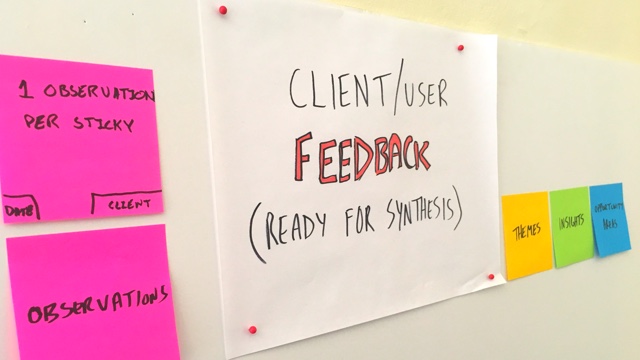
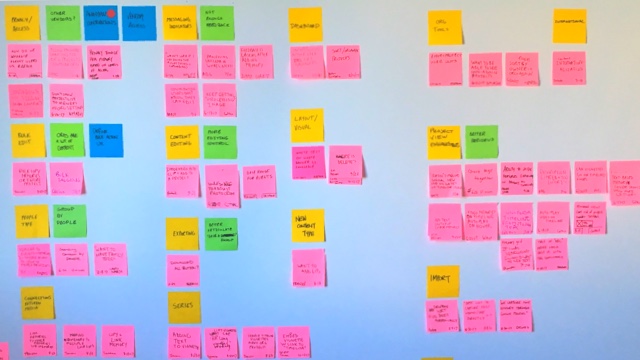
- Interview stakeholders - I spoke directly with more than a handful of existing customers and collected observations from our customer success team. We synthesize feedback on a weekly basis to remove bias as best as we can and prioritize the work. [Pink] observations are clustered into [Yellow] themes, which are used to draw out [Green] insights and expose [Blue] opportunity areas.
- Audit our product - With my fellow designer, I exposed the core screens of the full product.
- Analyze other products- To deeply understand some differences between free and paid tiers, I explored the tool set our team used at the time. This included Trello, Slack, Intercom, Invision, Squarespace, Amplitude, Fullstory, Zeplin, BrowserStack, Github/Zube and more.
Define a set of concrete problems to solve.
How might we...
- reduce friction for customers to access the our product?
- shift our product to feel more custom for enterprises?
- most simply and meaningfully differentiate a paid offering from the free one?
Ideate / Prototype: I prioritized three main opportunity areas and dove in creating artifacts to socialize with the team. Lo-fi sketches, flows, and wireframes. We were slowly building out our own Design Language System (DLS), which made hi-fidelity mockups and development consistent and efficient. (Tangent: Our DLS is also "themeable" so creating the photobook product for AARP's Innovation Lab was smoother too. Yay!)
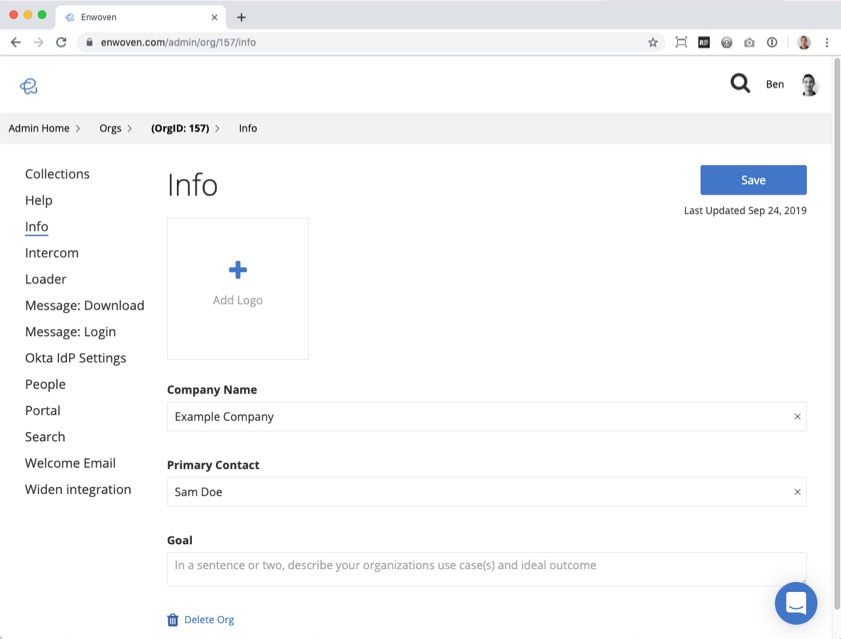
- Authentication - It took some serious coordination with in-house tech and customer tech to offer self-serve signup (SSO), domain restrictions, expiration, and more.
- White labeling - Org account customizations included branded navigation, color, portal, and various more configurable elements.
- Administration - I introduced new Org roles, more robust management of collections and users, and updated permissions.
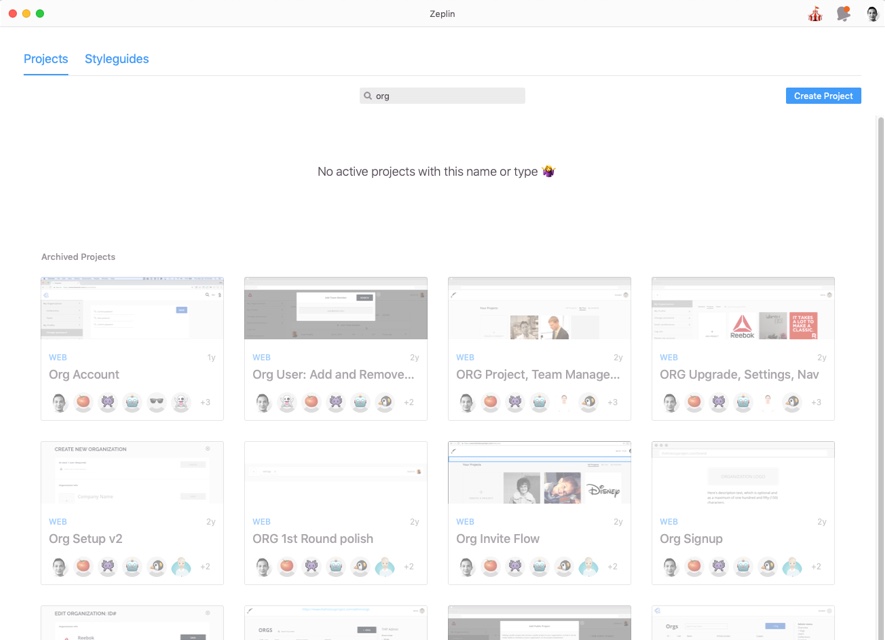
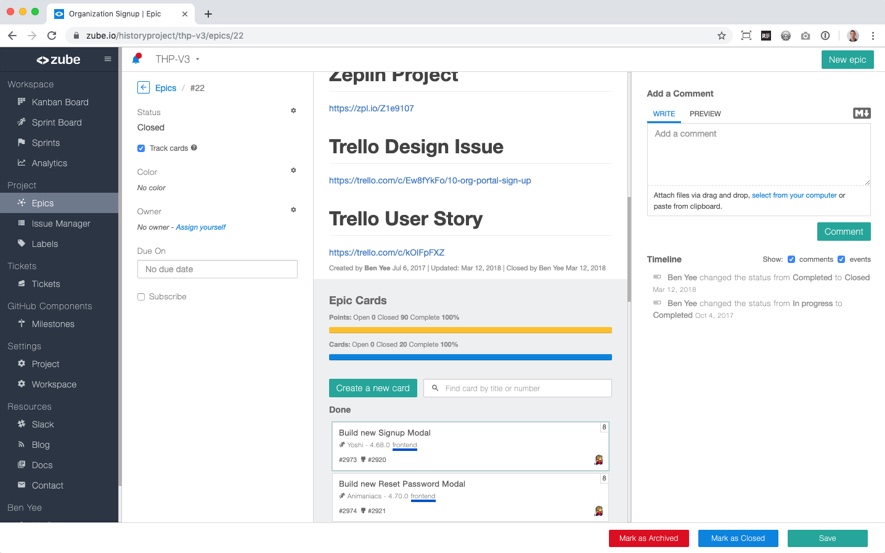
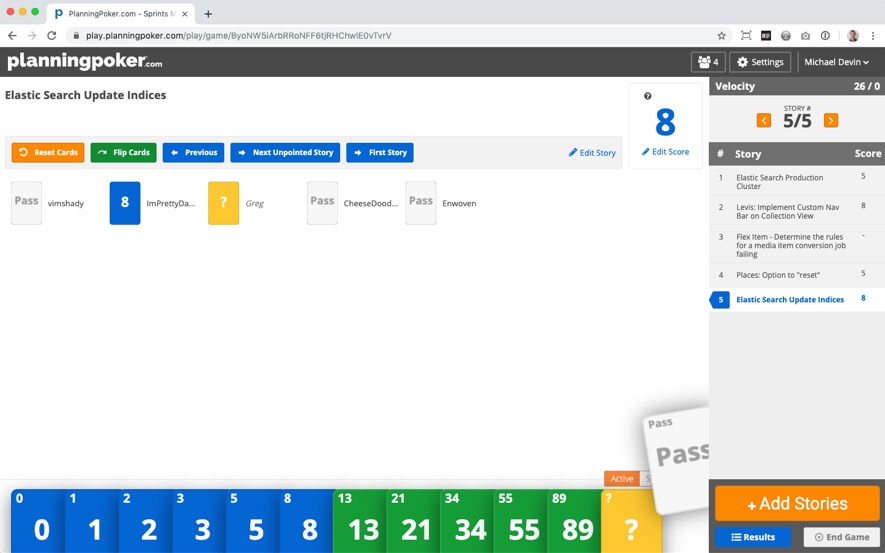
Build and test: Our development process was efficient. Weekly sprint planning typically included myself and our senior designer on the design side, and our CTO and four engineers on the tech side. I completed 80% of epic writing and ran most sprint planning sessions myself. We had 3 environments: dev, stage, and production--travis for validating builds, and a partially manual UAT process shared by the full team. We would collect customer feedback for 1-4 weeks using parameters or flags before launching any major feature to production.
2) Reshape the brand.
We went through multiple processes to find a new name, logo, palette, voice, and explainer video. In parallel, we updated our mission, vision, and values. It was complex, especially since there were more inputs to consider, and the stakes were raised.
- Name - The entire team put suggestions into a spreadsheet. We trimmed, added, surveyed, and eventually came to a single word (enwoven) that resonated well and had an affordable domain available.
- Logo - We generated dozens of doodles and iterated with internal and external feedback, pushing and pulling from each other's ideas until we landed on a mark (we called "knotty"").
- Palette and Voice - I delegated this to our senior designer, who explored many color options and tones for the new voice.
- Video - I considered the video a core asset for expressing the new brand and helping us hone in on product market fit, so I led a process hitting "pause" often to improve the quality of the output. I set the goals, drafted the script, drove collaboration cycles (between leadership, illustrator/animator, voice talent), and documented the full 3-4 month process using Enwoven's timeline.
- Mission, Vision, and Values - The mission and vision didn't change at their core. The target just shifted from "people" to "people in organizations." I take pride in the four values we defined. It's "we" because we went deep really teasing out what the team believes in and what we wanted new hires, new customers, and new investors to believe in as well. These values would form the future tribe.
Outcome
This product evolution and rebrand allowed Enwoven to survive and grow. Once the new features and branding had a chance to settle in, we had our best business quarter ever ($400k+ bookings from 5 new customers, 2 renewals, and a 5x contract expansion).
I'm proud to be a co-founder of a profitable zebra company, uniting passion with mission, refining my craft, and collaborating with amazing people.